AI Thinkers·Founder, tinycorp / creator of tinygrad

George Hotz
The moat in AI is compute cost, and compute cost is falling to zero — which makes every model and every lab a commodity. The software stack, not the hardware, is the real lever: build a minimal, transparent ML framework that runs anywhere on anything and you break the stranglehold of Nvidia and the cloud hyperscalers. His deeper conviction is that centralised AI — safety labs, cloud-only compute, corporate-controlled models — represents the same failure mode as centralised anything: a single off-switch someone else owns. Decentralise compute, decentralise models, decentralise power.
Key positions
There is no moat in AI — trained models are depreciating assets and every capability advantage erodes within months.
"You all do understand there's no moat around this AI stuff, right?" GPT-4 cost ~$100M to train in 2023 and is now outperformed by open-source models costing a fraction of that. GPUs depreciate, training runs commoditise, and companies building on model secrecy are hiding things "that aren't that cool." Frontier model companies are "moatless companies about to go public."
Latent Space podcast, "Commoditizing the Petaflop," June 2023 (latent.space/p/geohot); Wikiquote
The real competition in AI is a software problem — tinygrad is the vehicle to prove it.
Tinycorp's mission: "We will commoditize the petaflop." Tinygrad uses ~25 primitive operations vs. PyTorch's 2,000+, following RISC principles. The bet: a smaller, more transparent stack enables faster porting to new accelerators and breaks Nvidia's software moat. "If you can't write a fast ML framework for GPU, you just cannot write one for your own chip."
tinygrad.org pitch deck (tinygrad.org/pitch.pdf); Latent Space podcast, June 2023
Scaling laws and cross-entropy loss will not get to AGI.
"Cross-entropy loss is never going to get you there. You need probably RL in fancy environments in order to get something that would be considered AGI-like." He is sceptical of the "GPT-N will be AGI" narrative and argues the training objective itself — predict the next token — is the limiting factor, not scale.
Lex Fridman Podcast #387, June 29, 2023 (lexfridman.com/george-hotz-3/)
AI safety as practiced by the major labs is power centralisation, not risk mitigation.
"There are things that centralise power and they're bad, and there are things that decentralise power and they're good." In his debate with Yudkowsky: "I hope they lose control more than anything else... Centralised control is tyranny." He accused Anthropic and OpenAI of weaponising safety concerns as marketing. "I'm not worried about alignment between an AI company and machines; I'm worried about alignment between me and the AI company."
Lex Fridman Podcast #387, June 2023; Hotz/Yudkowsky debate, 2023
Open-source self-driving is an ideological bet — comma.ai was the Android of self-driving.
Hotz explicitly positioned comma.ai as the Android to Waymo's iOS: open-source software, commodity hardware, the belief that "self-driving needs nothing but engineers to solve it." Released openpilot as open source in November 2016. By 2025, openpilot supported 300+ vehicle models with 100M+ miles logged. The end-to-end architecture was a deliberate rejection of the modular, safety-by-committee approach of competitors.
Fortune, August 2017; Wikipedia (en.wikipedia.org/wiki/Openpilot)
The hacker ethos is a legitimate epistemology — demonstrated outputs beat institutional credentials.
From the 2007 iPhone jailbreak to the PS3 exploit to a solo self-driving demo — the same through-line: sheer skill plus openness undermines institutional advantage. His tinycorp hiring philosophy: "Contribute to tinygrad. It's open source, right?" — GitHub contributions replace interviews.
Wikipedia (en.wikipedia.org/wiki/George_Hotz); Wikiquote; Latent Space podcast, June 2023
In their own words
“My central thesis about the world is there are things that centralise power and they're bad, and there are things that decentralise power and they're good.”
“The fundamental limitation of cloud is who owns the off-switch.”
“I'm not worried about alignment between an AI company and machines; I'm worried about alignment between me and the AI company.”
“You all do understand there's no moat around this AI stuff, right?”
Tensions with other thinkers
Where this view genuinely conflicts with others in the field.
Hotz: centralised AI safety creates the very concentration of power it claims to prevent. Yudkowsky: without alignment research, distributed AI is just distributed doom.
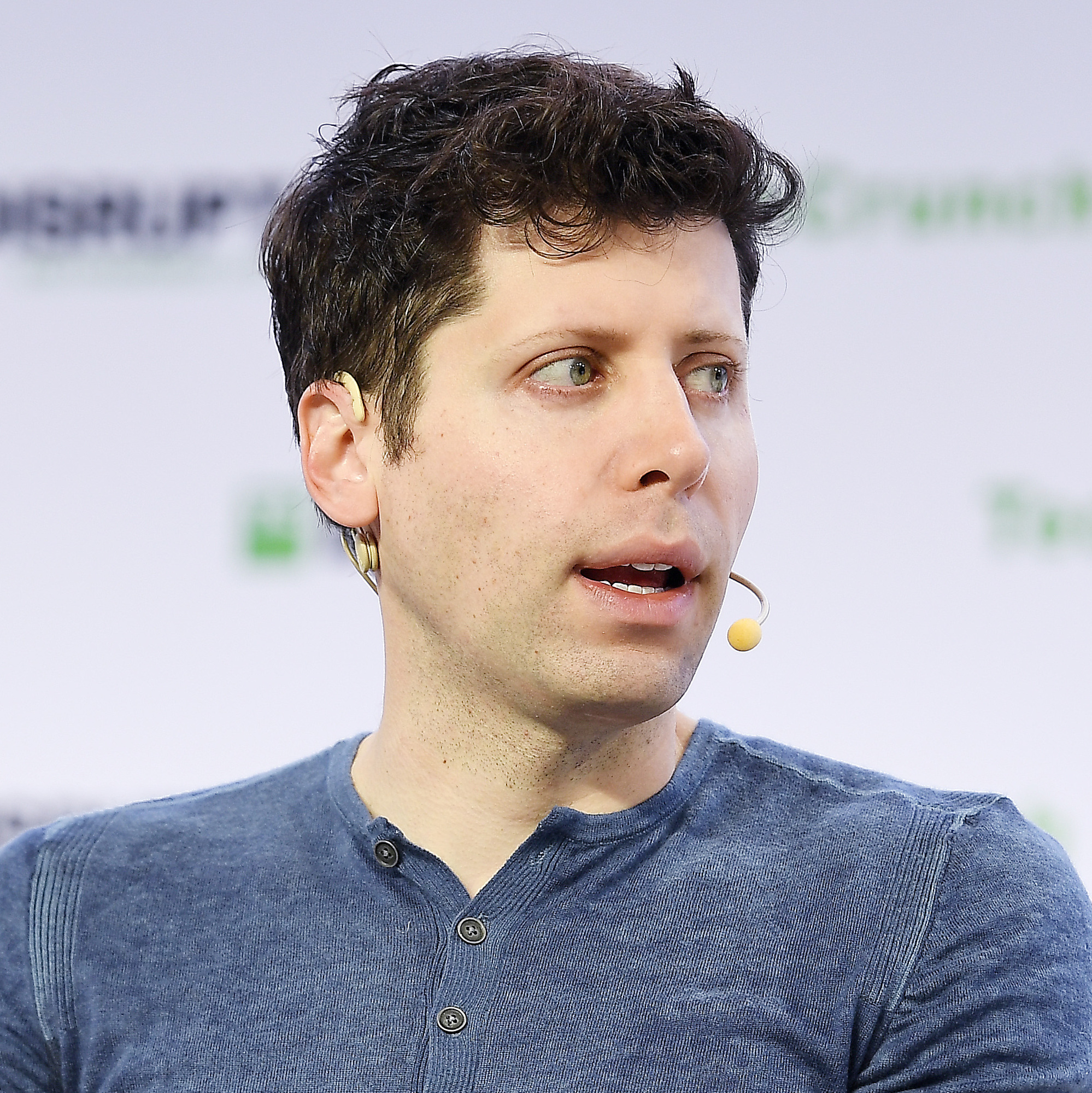
Hotz argues OpenAI attracts "ideologues" not researchers, and their safety positioning is primarily marketing.
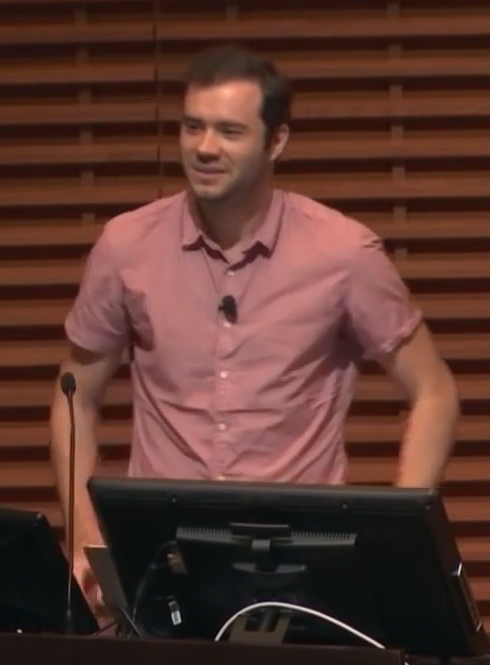
Karpathy believes scaling is the dominant variable; Hotz agrees the bitter lesson is real but argues the training objective itself caps what scale can achieve.