AI Thinkers·CEO, Anthropic
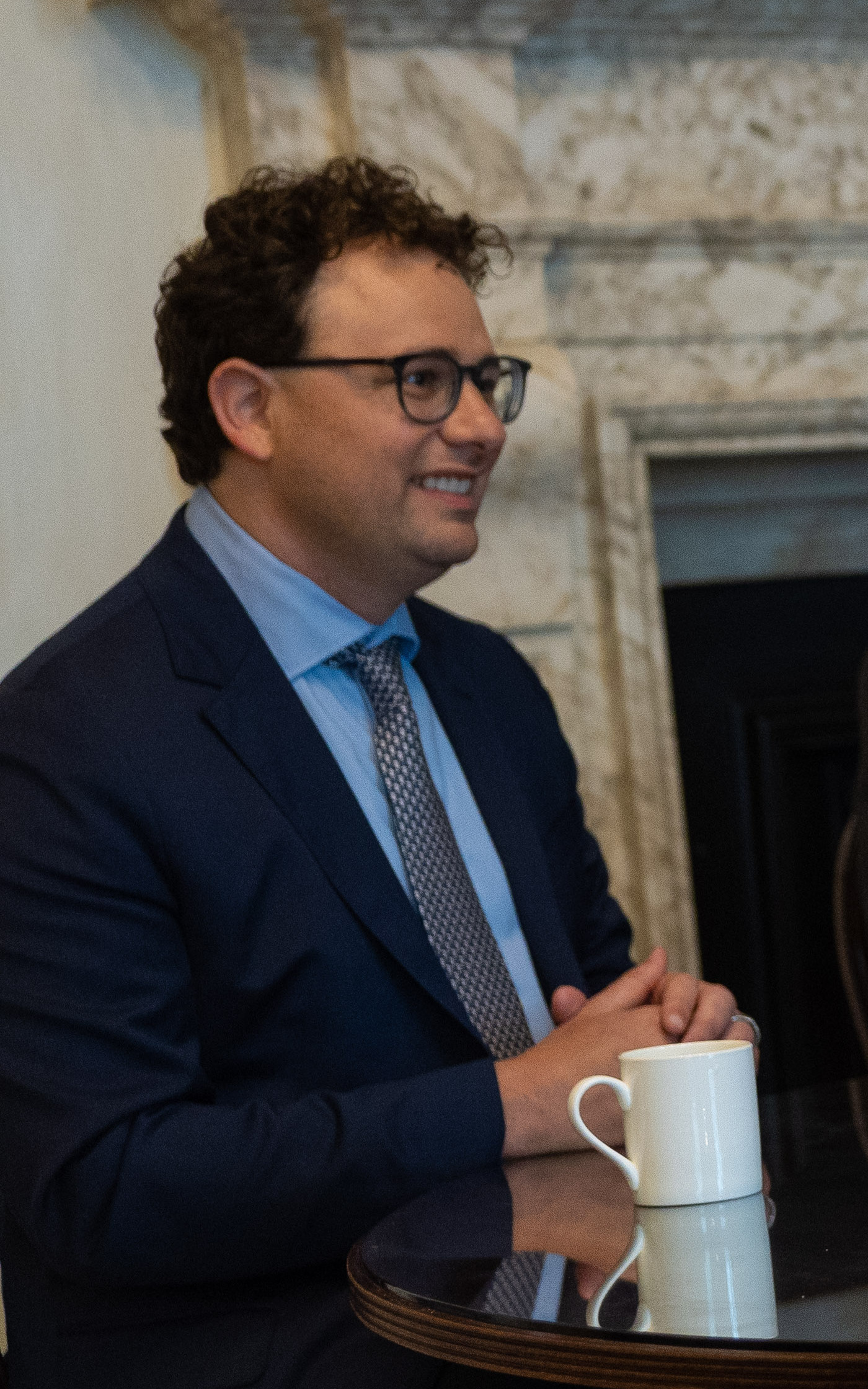
Dario Amodei
We are building one of the most transformative and potentially dangerous technologies in human history — and the only responsible answer is to be at the frontier, not to step back. If safety is solved, powerful AI could compress 50–100 years of biological and medical progress into a single decade, effectively ending most diseases and dramatically extending human lifespan. The safety work is not a brake on this vision — it is the prerequisite. His "race to the top" framing inverts the usual safety/speed trade-off: move faster on safety, not slower on capability.
Key positions
Powerful AI could compress 50–100 years of biological progress into 5–10 years.
"Machines of Loving Grace" (Oct 2024): a model smarter than a Nobel Prize winner across most relevant fields could compress what human scientists would achieve over 50–100 years into 5–10 years. His Lex Fridman interview (Nov 2024) gave specific predictions: most cancers cured, Alzheimer's halted, and effective mental health drugs developed within 7–12 years of powerful AI deployment.
"Machines of Loving Grace," darioamodei.com, October 2024; Lex Fridman Podcast #452, November 2024
Safety and capability are not in fundamental tension.
A safety-focused lab that falls behind technically loses the ability to shape industry norms; a capable lab without safety focus is dangerous; only a capable-and-safe lab can demonstrate the synthesis is achievable. His Constitutional AI training method was developed alongside, not instead of, capability improvements, and has been adopted as a training reference by others.
TIME interview, 2024; Emergent Behavior interview, November 2024
The Responsible Scaling Policy creates hard capability gates — if specific dangerous capabilities emerge, specific safeguards must be in place before proceeding.
Published September 2023, the RSP defines AI Safety Levels (ASL) modelled on biosafety standards. ASL-3 triggers when a model can meaningfully assist non-state actors in CBRN weapon creation. ASL-4 triggers near-human autonomous agency. Note: In February 2026, Anthropic removed the hard limit barring training more capable models without proven safeguards — a significant softening of the original commitment.
Anthropic Responsible Scaling Policy, anthropic.com, September 2023; WinBuzzer, February 2026
AGI is likely by 2026–2027 — a deadline, not just a milestone.
Amodei has said "there's no ceiling below the level of humans" in current scaling approaches. Unlike Altman, who frames the same timeline optimistically, Amodei treats it as a deadline: the time available to build adequate safety infrastructure is shrinking. "We need to start acting now to mitigate these risks."
Lex Fridman Podcast #452, November 2024; Dwarkesh Patel podcast, 2024
Closed models are safer than open-weight models.
A closed model can have deployment controls, usage monitoring, and revoked access; a released model's weights cannot be recalled. For ASL-3+ models, the RSP requires weights be secured so non-state actors cannot steal them — structurally incompatible with open release. He has called for semiconductor export controls to China on similar logic.
Anthropic RSP; "Anthropic CEO talks about his OpenAI departure," The Decoder, 2024
AI companies — including Anthropic — are themselves a civilisational risk tier.
"The Adolescence of Technology" (Jan 2026): "It is somewhat awkward to say this as the CEO of an AI company, but I think the next tier of risk is actually AI companies themselves." He named the danger of personal fortunes "well into the trillions" concentrating in a handful of hands, and pledged to donate 80% of his wealth.
"The Adolescence of Technology," darioamodei.com, January 2026; Fortune, February 2026
In their own words
“My basic prediction is that AI-enabled biology and medicine will allow us to compress the progress that human biologists would have achieved over the next 50–100 years into 5–10 years.”
“'Machines of Loving Grace' was not me saying I'm no longer worried about the risks. The two are sides of the same coin.”
“It is somewhat awkward to say this as the CEO of an AI company, but I think the next tier of risk is actually AI companies themselves.”
“I believe we are entering a rite of passage, both turbulent and inevitable, which will test who we are as a species.”
Tensions with other thinkers
Where this view genuinely conflicts with others in the field.
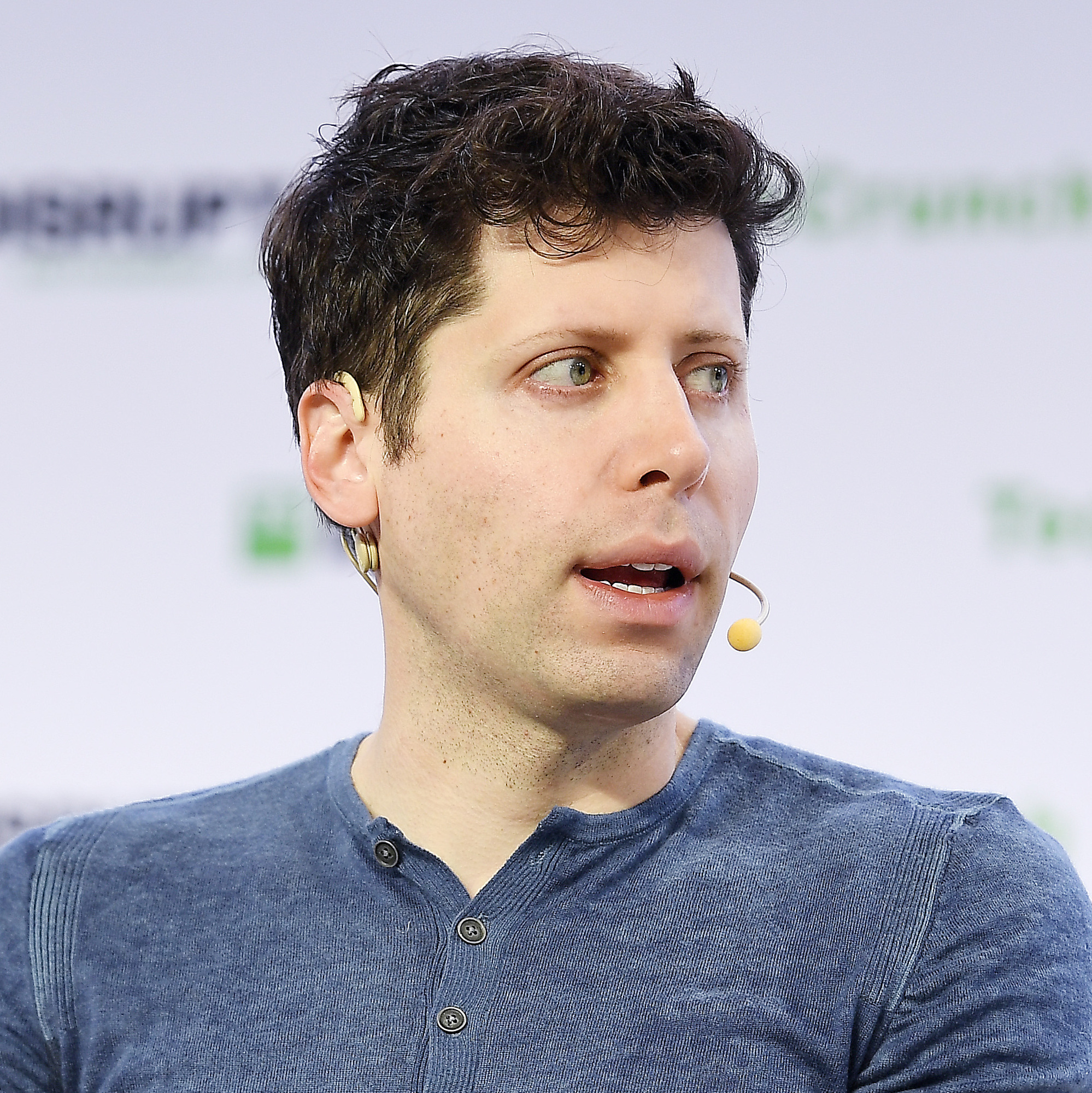
Amodei: hard technical infrastructure and capability gates. Altman: primarily a distribution and governance problem.
Amodei: open release is unsafe. Altman: OpenAI was on the "wrong side of history" for staying closed.

LeCun argues open distributes power and safety; Amodei argues it removes the ability to enforce any controls.